

Top 5 things to do when a loved one goes missing.
As a former NYPD detective and New York private investigator, I've seen firsthand how the first hours and days can make all the difference. The old myth that you have to wait 24 hours to report someone missing is just that—a myth. Time is critical, especially if foul play, accident, suicide risk, medical issues, or vulnerability (age, disability, mental health) is involved. Delays cost leads, evidence, and sometimes lives.
From years on the job and now working private investigations, here are the top 5 practical steps I always advise families and friends to take immediately when a loved one goes missing. Stay calm, stay organized, and act fast.
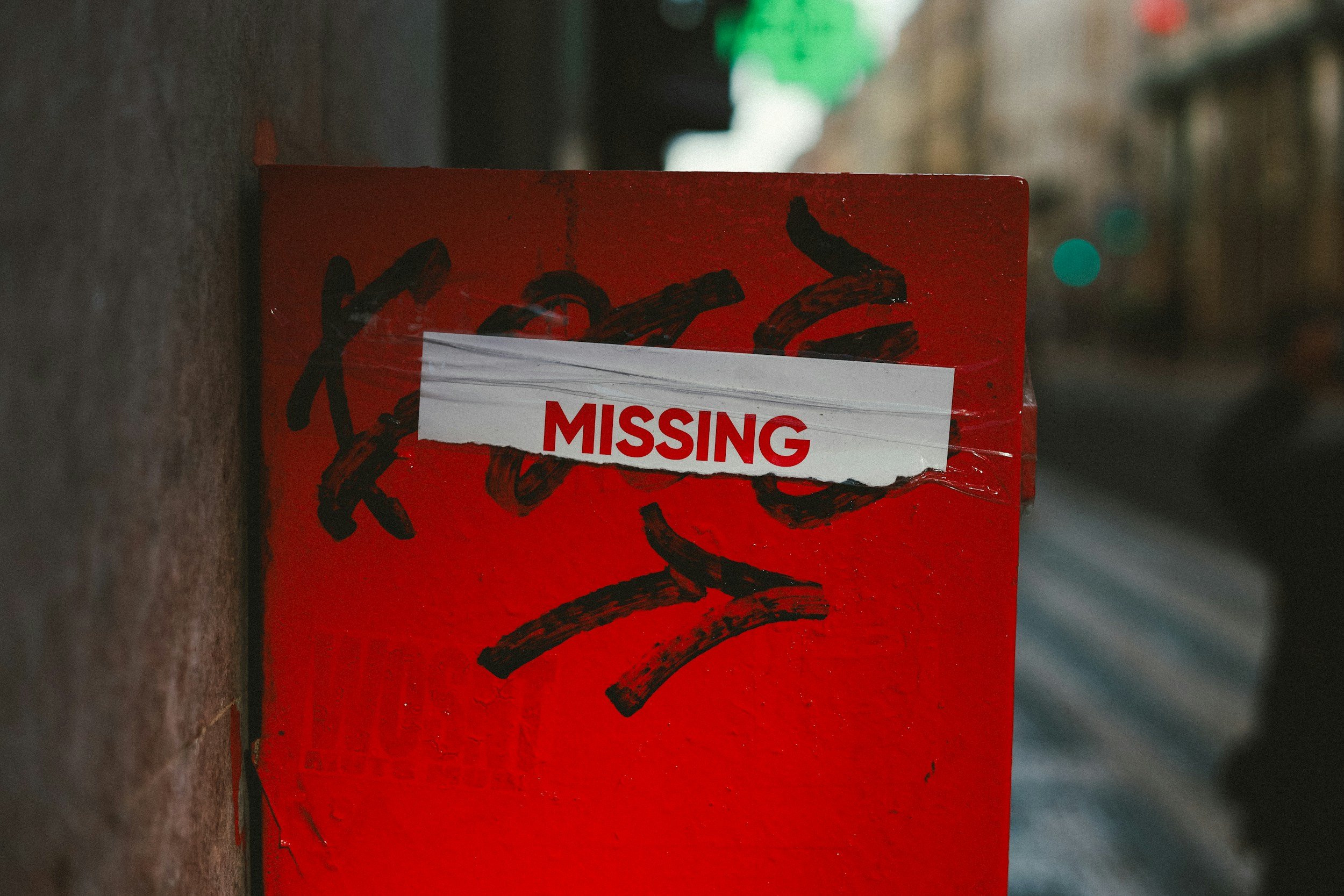
Dealing with a missing loved one (especially a child) is a nightmare. Stay calm and sound the alarm.
1. Report It to Law Enforcement Right Away
Pick up the phone and call 911 (or your local emergency number) the moment you reasonably believe something is wrong—no waiting required. Explain clearly why the disappearance is out of character: no contact when they normally text/call daily, mental health concerns, medications left behind, history of depression, dementia, or any red flags like arguments or threats. Provide the basics upfront: full name, age, description, last known location, clothing worn, and any vehicle info.
Request a formal missing persons report and get the report number, the officer's name/shield number, and contact info for follow-up. In New York City (or similar jurisdictions), this goes into systems like NCIC quickly if circumstances warrant it. If the person is vulnerable (child, elderly, disabled, suicidal), emphasize that—many departments have protocols for expedited entry or alerts (Amber, Silver, or endangered adult bulletins). Don't leave the station or hang up until you're satisfied the report is filed properly. If an officer hesitates, politely ask for a supervisor.

Calling the police can be the single most effective move you make.
2. Gather and Organize Key Information
While waiting for police or right after filing the report, compile everything in one place:
Recent clear photos (face and full-body if possible)
Physical description and identifying marks
Phone numbers, social media handles, email
Last contacts (who they spoke to, texted, or met)
Places they frequent (work, gym, friends' homes, favorite spots)
Any recent changes in routine, arguments, financial issues, or mental health concerns
Create a timeline of their last 24-48 hours. Keep a log of your own actions, calls made, and responses. This helps police and any investigators (including private ones like me) avoid duplication and spot patterns quickly.
Don't disturb their room, car, or belongings—preserve potential evidence like notes, devices, or signs of struggle.

Most cases resolve in a positive outcome, but not all.
3. Contact Friends, Family, and Acquaintances
Reach out to everyone in their circle immediately. Ask if they've seen or heard from them, and note any last interactions. Check hospitals, jails, shelters, and even workplaces in case they had an accident or issue they didn't share.
Review their phone records (if you have access), social media activity, and apps (rideshares, delivery services) for clues. Many cases resolve here—someone was just crashing at a friend's place or went off-grid temporarily.
Coordinate with close contacts to avoid overwhelming the same people repeatedly.

Make the call early. Reaching out to friends and family not only for help, but for support, is critical.
4. Spread the Word Responsibly
Create flyers or digital posts with the key details (use the police report number and contact info, not your personal details for safety). Share on social media, local community groups, Nextdoor, and platforms like Facebook's missing persons pages.
If appropriate, contact local media—but coordinate with police first to avoid interfering with the investigation. Resources like the National Center for Missing & Exploited Children (for minors) or NamUs (National Missing and Unidentified Persons System) can help amplify reach, especially for longer-term cases. Register the case on NamUs.gov once police have entered it into NCIC—this connects it to national databases and forensic tools.
5. Take Care of Yourself and Stay Persistent
This is emotional hell. Lean on family, friends, or support groups (many nonprofits offer free resources for families of the missing). Keep following up with police—get the report number, detective's contact, and check in regularly without being adversarial.
If the official search stalls (which can happen in non-foul-play cases), consider a licensed private investigator who specializes in missing persons. We can run parallel checks on digital footprints, interviews, and databases that sometimes uncover leads law enforcement might not prioritize.
Most missing persons cases resolve quickly and safely—people leave voluntarily, get lost, or have accidents. But acting fast and smart increases those odds dramatically.
If you're in this nightmare right now, my thoughts are with you. Don't hesitate to reach out to authorities or professionals. Time matters, but so does staying focused.
6. What about hiring a PI for my missing persons case?

Hiring a professional investigator can be very beneficial, but it is important that you understand the whole picture.
Families frequently reach out to me to help them find their missing person. Hiring a PI can be a smart move, because while police have more resources and authority, they are also burdened with potentially hundreds of other cases. Hiring a PI can be beneficial because a private investigator can work the case from additional angles without staffing concerns, overtime cuts, or emergency calls.
The positive aspects:
PIs are able to focus on your case without common distractions as mentioned above.
Some people are more likely to talk to a PI than a cop. That drug dealer that saw a license plate? He might be shy when the police ask questions.
PIs have way more wiggle room procedurally than the police. Cops have a case load and a rule book. PIs have more freedom.
There are some drawbacks, however:
PI’s are expensive. Families commonly pay me $5,000 or more a week to assist them with these cases, based on difficulty, exigence, etc.
PIs are not police— we don’t carry the same authority as an on-duty police officer.
PIs are running a business. While the police will help you regardless of your finances, PIs may not.
Many families are able to resolve their missing persons case positively. The unfortunate reality however, is that some do not. If you have reason to believe your loved one is missing, don’t wait— call the police ASAP.
If you want the extra help, you can contact a local private investigator. If you need assistance, but aren’t sure if a PI is right for your case. Give me a call. I offer free 20 minute consultations, and I’d be happy to walk you through it.
Stay safe out there.
— John The PI